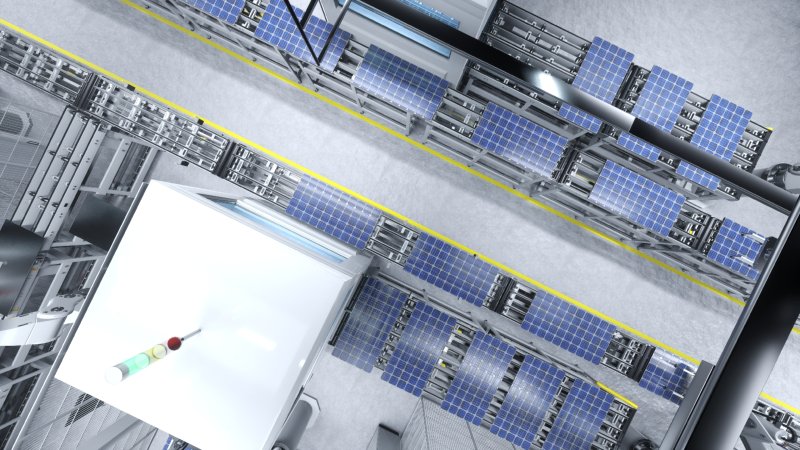
Energy prices keep climbing, weather is getting more extreme, and more homeowners are realizing that “set and forget” isn’t a sustainable approach to power anymore. The good news is that smart, efficient homes are no longer just for new builds or eco-showpieces. With the right mix of solar power and hot water technology, you can turn an ordinary property into a quieter, cheaper, and more comfortable place to live.
In regions like Lake Macquarie and the NSW Central Coast, where sunlight is abundant and outdoor lifestyles are the norm, combining solar electricity and solar hot water is one of the most effective ways to cut bills and your carbon footprint at the same time.
Why Start with Solar Power?
For most households, rooftop solar is the first major step towards an energy-efficient home. A well-designed system converts free sunlight into electricity that powers everything from lights and appliances to air conditioning and pool pumps.
If you’re in the Hunter region and looking at solar panels lake macquarie options, the benefits are straightforward: you can reduce your daytime grid usage, shield yourself from future price rises, and potentially earn credits for excess energy exported back to the network, depending on your plan.
The key is to match the system size to your usage patterns. Oversizing a system without a plan for using or storing the extra energy can blunt your returns. On the other hand, a system that is too small may leave you still heavily dependent on grid power during peak times.
Batteries and Smarter Energy Use
Adding a battery takes solar a step further. Instead of sending most of your excess energy back to the grid during the day and then buying it back at full price at night, you can store that surplus and use it when the sun goes down.
For many families, this means:
- Running high-consumption appliances like dishwashers, washing machines and even some air conditioning from stored solar in the evening
- Having a level of backup power during outages, depending on system design
- Flattening out peaks in grid usage, which can improve bill stability
Even without a battery, smart timers and load shifting help you get more from your system. Scheduling pool pumps, EV charging or certain appliances to run during high-solar hours can significantly increase your self-consumption and improve your return on investment.
Why Hot Water Should Be Part of the Conversation
Electric hot water is one of the biggest energy users in many Australian homes. Even efficient heat pumps and gas systems represent a constant, recurring cost. This is a challenge faced by homeowners everywhere, and those looking into dayton ohio gas prices will find that gas heating expenses can vary significantly depending on the provider and region. That’s why a truly energy-efficient home doesn’t just focus on lights and power points; it also looks closely at hot water.
By switching to solar-based hot water systems central coast solutions, households can tap into another major saving. Instead of paying for grid electricity or gas to heat water, you use the same free energy that hits your roof every day. Over time, this can substantially reduce your overall energy spend, especially in busy family homes where showers, laundry and dishwashing are happening constantly.
Joining the Dots: Power and Hot Water Working Together
The real power of a smarter home comes when your systems are designed to complement each other rather than operate in isolation.
A typical upgrade path might look like this:
First, install a solar power system sized around your current daytime loads, with some allowance for future growth. Once you’re comfortable with how it performs, add a solar hot water system or heat pump that is configured to run when solar generation is highest. If budget allows, you can then consider adding a battery to capture even more of your rooftop energy and extend the benefits into the evening.
When these systems are planned together, you reduce overlap, avoid unnecessary grid usage, and make the most of the hardware you’ve invested in. For example, a monitored system can show you that your hot water is responsible for a large share of early-morning energy use, and adjusting its heating times into the middle of the day can give you instant savings.
Comfort, Not Compromise
A common worry about going “energy efficient” is that it means sacrificing comfort: shorter showers, fewer appliances or constantly thinking about what’s switched on. With a well-designed solar setup, the goal is the opposite—more comfort, less guilt.
Reliable solar electricity and solar hot water mean you can:
- Run heating or cooling when you actually need it, instead of rationing
- Enjoy consistent hot water without watching the meter
- Use higher-efficiency appliances confidently, knowing they’re powered mainly by the sun
The design phase is where you think hard about your actual lifestyle, not an idealized one. Do you work from home? Have teenagers who shower late at night? Use a pool or spa regularly? All of these habits can be supported by smart system choices and control settings.
Thinking Long-Term About Your Home
Beyond the monthly bill savings, there’s a bigger picture. Energy-efficient homes tend to be more resilient to shocks—whether that’s price rises, grid instability, or changing regulations. They’re also increasingly attractive to buyers who are factoring running costs into what they’re willing to pay for a property.
Over a decade or more, a well-planned combination of solar power and solar hot water can:
- Pay back its upfront cost through lower bills
- Reduce your dependence on fossil fuels
- Add to the overall value and appeal of your home
The important thing is to see these upgrades not as isolated one-off purchases, but as parts of a long-term strategy for how your home uses energy.
Working with the Right Partner
Because solar and hot water projects involve roof space, plumbing, electrical work, and local regulations, the quality of design and installation matters as much as the hardware itself. A specialist provider such as Solahart CC, with experience in both solar power and hot water solutions, can help you assess your current usage, roof orientation, budget, and future plans, then recommend a staged roadmap that makes sense for your household.
When you bring everything together—solar panels, intelligent controls, efficient hot water and, potentially, battery storage—you move from “trying to use less power” to actively producing and managing your own energy. That’s what a truly smarter, energy-efficient home looks like: one that quietly works in the background to keep you comfortable, lower your bills, and lighten your environmental footprint for years to come. click website for more information.