Table of Contents
- Choosing the Right Material for Gymnasium Flooring Installation
- Preparing for Installation
- Post-Installation and Initial Maintenance
- Ensuring Compliance with Safety and Performance Standards
- Conclusion
Installing a gymnasium floor is a crucial investment for any athletic facility. It affects athlete safety, game play quality, and the longevity of your space. As a project manager, facility owner, or athletic director, you will guide the planning and oversee the completion of this significant project. Although installers handle technical work, your responsibility is to make informed decisions at every stage, from choosing materials and budgeting to ensuring regulatory compliance and long-term care. Throughout this process, working with trusted partners like Miller Sports gym flooring installation can make a notable difference in achieving a high-performing finished floor. Taking a detailed approach from day one helps avoid expensive mistakes and maximizes your investment.
With so many options and considerations, from subfloor preparation to the precise court markings for different sports, your input is instrumental in shaping a result that suits your facility’s needs. Proper planning and attention to detail will help ensure each stage, from preparation to post-installation care, is executed to the highest standard. High-performance flooring supports athletes, sustains heavy daily use, and upholds your reputation as a facility leader. This guide will walk you through the key decisions and requirements for a successful gymnasium flooring installation.
Choosing the Right Material for Gymnasium Flooring Installation
Selecting the right flooring material is the first vital step in your gymnasium floor installation project. Your choice may be influenced by the sports being played, the amount of traffic the space endures, and budgetary limits. Hardwood floors are highly prized in gyms for their performance in basketball and volleyball, as they offer a firm, responsive surface. However, synthetic options such as rubber or vinyl may be better for multipurpose use or for facilities seeking lower upfront and maintenance costs. Modular sports tiles offer flexibility and easy repair in multi-use environments. Each option impacts not only athletic performance but also the routine upkeep the floor will require.
The room environment strongly influences installation success. Before any product arrives on site, a thorough inspection and subfloor preparation are necessary. This includes leveling, addressing cracks, and, most importantly, implementing moisture mitigation systems. For hardwood floors, the gym environment must meet the manufacturer’s humidity and temperature requirements, which may require scheduling an acclimation period for the materials. Collaborate with your installation experts to time this properly, ensuring the floor and gym space are in sync to prevent future warping or buckling.
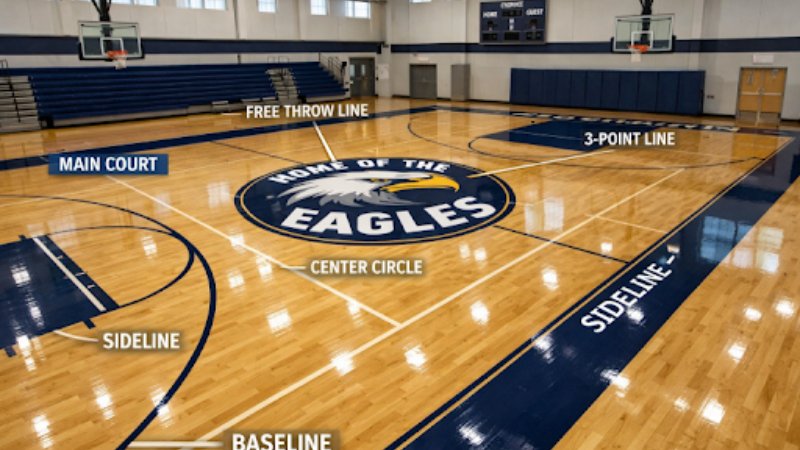
During installation, it is crucial to monitor progress and maintain high standards at every stage. This means checking that adhesives are used properly, expansion gaps are respected, and the floor is installed with uniform alignment. Ask your contractors for updates and visual inspections to catch issues before they become significant. Installation is also the time to finalize court markings for basketball, volleyball, or other sports, as well as school-specific branding such as logos or color accents. The accuracy of these details affects safety and aesthetics, so review all plans with your installer in advance.
Preparing for Installation
Budgeting for your gymnasium floor goes beyond material prices. Subfloor remediation can add costs, as issues such as roughness, cracks, or moisture require special treatment before the new surface is laid. High-quality moisture barriers are particularly important for hardwood, helping minimize the risk of water damage and extend floor life. Installation labor varies based on job complexity. Custom logos or multi-sport court layouts introduce additional expense and should be factored into your planning. Invest time in reviewing bids and proposals to ensure you understand what the contractor includes in their scope of work.
Long-term cost considerations are equally important. Hardwood floors need periodic refinishing, usually every five to ten years, to restore their protective coating and visual appeal. Synthetic and modular surfaces require less intensive maintenance but may need resurfacing or replacement of worn sections over time. Weigh these ongoing commitments as you make your selection, considering the anticipated usage of your gymnasium. Striking a balance between upfront expenditure and lifetime costs will help you sustain the facility’s function and appearance for years to come.
Post-Installation and Initial Maintenance
After installation, initial maintenance is critical for preserving your new investment. The floor should be given adequate time to cure and settle, as recommended by the manufacturer. Early cleaning should be performed with the appropriate chemicals and equipment specified by the flooring producer, as improper cleaning can affect the floor’s protective coating and performance. Set guidelines for daily and periodic cleaning routines, and emphasize training for facility staff responsible for upkeep. Early attention to small repairs, such as tightening loose boards or resealing minor scratches, will keep the floor in peak condition, extend its lifespan, and provide a safer environment for users.
Ensuring Compliance with Safety and Performance Standards
It is essential that your gymnasium flooring meets applicable safety and performance standards, especially if the gym is used for regulated competition or school sports. Organizations such as the International Basketball Federation (FIBA) and the National Collegiate Athletic Association (NCAA) have set requirements for everything from slip resistance and impact absorption to precise court markings. Inspection and certification after installation guarantee compliance and confirm that your investment meets the needs of players, coaches, and officials.
Another important aspect is warranty documentation. Ensure all materials, installation work, and finishes are covered by a valid warranty, and keep thorough records for future reference. Promptly address any identified deficiencies or covered repairs to maximize floor performance over time. Precision at every stage, from selecting materials to ensuring regulatory compliance and maintenance, ensures that your gymnasium floor supports athletes and withstands the rigors of constant use. By investing in quality installation processes and continuous care, you provide a safe, attractive, and functional surface that benefits your organization and community for years to come.