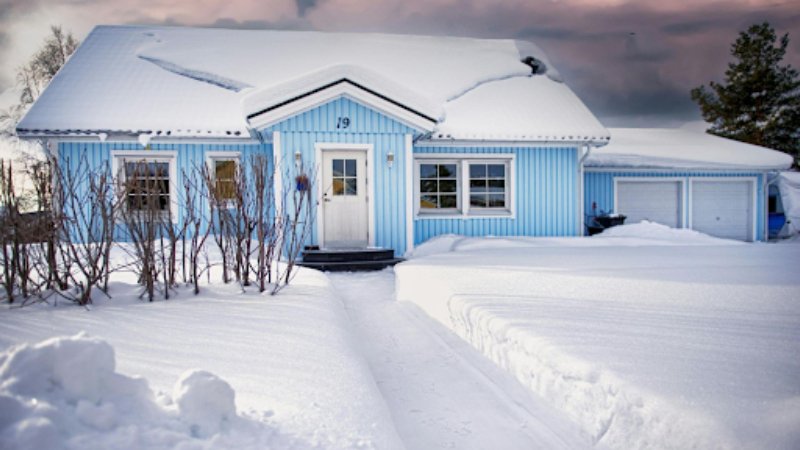
Winter has a way of showing up faster than expected. One week feels mild, and the next brings freezing nights and high heating bills. If you own a home or manage a residential property in Memphis, TN, preparing early can save you time, money, and stress. Cold weather puts extra pressure on heating systems, plumbing, and the structure of a home. A little planning now helps avoid rushed repairs later.
This checklist walks through the most important steps property owners can take before winter settles in. The goal is simple. Keep your home warm, safe, and efficient all season long.
Get Your Heating System Ready Before Cold Weather Hits
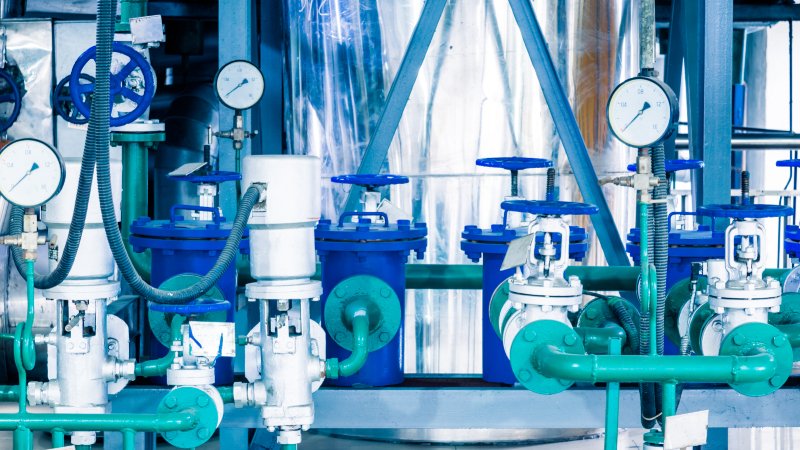
Your heating system does most of the work during winter, so even small problems can affect comfort throughout the home. Scheduling a professional inspection before temperatures drop helps catch worn parts, airflow issues, and efficiency concerns early, before they turn into bigger problems.
For larger homes or properties with multiple residential units, professional support becomes even more important. Many property owners rely on trusted providers that specialize in commercial heating in Memphis, TN, to handle inspections, system tuning, and performance checks, especially for more complex heating setups. Even when a system seems to be running fine, hidden issues can surface quickly once winter weather arrives.
Changing air filters on a regular schedule also makes a noticeable difference. Dirty filters limit airflow and force the system to work harder than necessary. Pay attention to unusual sounds or uneven heating from room to room. Addressing these signs early helps control energy costs and supports a longer system lifespan.
Seal Drafts and Improve Home Insulation
Drafts can make a home feel colder than it should, even when the heating system runs properly. They also lead to higher energy use. Walk through your property and check around doors, windows, and baseboards. Pay attention on windy days when air leaks are easier to notice.
Weather stripping and caulking provide simple and affordable ways to seal gaps. These small updates help keep warm air inside where it belongs. Insulation also plays a major role in winter comfort. Attics, crawl spaces, and basements often lose heat without homeowners realizing it. Adding or improving insulation in these areas helps maintain steady indoor temperatures and lowers heating costs.
When you seal drafts, your heating system does not have to work as hard. The home stays warmer with less energy use, which benefits both comfort and monthly bills.
Protect Pipes From Freezing and Bursting
Frozen pipes remain one of the most expensive winter issues homeowners face. When water freezes, it expands, which can cause pipes to crack or burst. Focus on pipes located in unheated areas such as garages, basements, crawl spaces, and exterior walls.
Insulate exposed pipes with foam sleeves or insulation wrap. Disconnect outdoor hoses and shut off exterior water lines when possible. During very cold nights, letting faucets drip slightly keeps water moving and reduces freezing risk.
Opening cabinet doors under sinks allows warm air to circulate around plumbing. These simple steps help prevent major water damage and costly repairs.
Check the Roof, Gutters, and Drainage Areas
The roof protects everything inside your home, making it a key part of winter preparation. Cold rain and occasional ice can turn minor roof issues into serious problems. Inspect shingles for cracks, curling, or missing pieces. Check flashing around chimneys, vents, and skylights for gaps.
Gutters and downspouts also need attention. Leaves and debris trap water, which can freeze or overflow during winter storms. Clear gutters allow proper drainage and reduce the risk of water seeping into walls or foundations.
Handling roof and drainage issues before winter helps keep moisture outside where it belongs.
Prepare Fireplaces and Chimneys for Safe Use
Fireplaces add warmth and comfort during winter, but they need proper care. Before using a fireplace for the season, schedule a chimney inspection and cleaning. Creosote buildup increases fire risk and restricts airflow.
Check the damper to make sure it opens and closes smoothly. Always burn dry, seasoned wood and avoid treated materials. Keep a screen in place to stop sparks from escaping.
Using fireplaces safely allows homeowners to enjoy extra warmth without creating unnecessary hazards.
Test Safety Devices Throughout the Home
Winter means more time indoors and heavier use of heating systems. That makes safety devices more important than ever. Test smoke detectors and carbon monoxide alarms on every level of the home.
Replace batteries if needed. If devices are old, consider replacing them entirely. Carbon monoxide risks rise during winter due to fuel-burning appliances and blocked vents.
Working alarms give peace of mind and protect everyone inside.
Get Outdoor Areas Ready for Winter Conditions
Preparing outdoor areas before winter helps prevent injuries and limits property damage. Start by clearing walkways, driveways, and entry points of leaves and debris. These surfaces can become slippery once temperatures drop and moisture freezes. Make sure handrails and steps feel sturdy and secure.
Check exterior lighting around doors, pathways, and parking areas. Shorter days and longer nights make good lighting important for safety. Replace burned-out bulbs and adjust fixtures so walkways remain well-lit.
Store garden hoses and shut off outdoor water sources to prevent freezing. Cover or store patio furniture, grills, and decorative items to protect them from cold and moisture. Trim branches that hang close to the roof, windows, or power lines, since winter weather can cause them to break.
Taking these steps gives property owners confidence as temperatures begin to drop. Winter preparation does not need to feel overwhelming or complicated. Focusing on small tasks early helps prevent larger problems later and keeps daily life running smoothly when the weather turns cold. click the website for more information.
By preparing your heating system, sealing drafts, protecting plumbing, and checking key areas around the home, you create a safer and more comfortable living space. These efforts also help protect the long-term value of your property and reduce the chance of unexpected repairs. A little planning now makes the entire season easier to manage.