Table of Contents
- Assess Your New Space
- Inventory Your Belongings
- Categorize Items
- Deciding What to Keep
- Selling Unwanted Items
- Donating to Charity
- Handling Sentimental Items
- Finalizing Your Decisions
- Conclusion
Downsizing and moving into a smaller home often comes with a wave of mixed emotions. The process can be refreshing, yet also overwhelming, especially as you decide which possessions will accompany you into your new space. By following a structured approach, you can simplify the transition and ensure your new home is both functional and clutter-free. For those seeking professional guidance during this transition, https://homeoptions.us/ offers further resources and support. Understanding how to sort and streamline your belongings thoughtfully can make downsizing a manageable, even rewarding, experience.
Taking the time to assess your new space, inventory your possessions, and make informed choices about what to keep, sell, or donate is essential to feeling comfortable in your next chapter. Many people find that downsizing is not just about reducing the number of items, but also about focusing more on lifestyle goals and less on accumulating things. Having a set plan gives you greater clarity and helps you make emotional decisions more easily, making it easier to let go of what you no longer need. For more advice and support related to downsizing, the Home Options Group offers a wealth of tools and expert insights tailored to your needs.
Assess Your New Space
Before you start sorting, it is important to understand your new home’s layout and size. Take measurements and sketch the floor plan, or use digital tools to visualize your furniture and storage options. Knowing the square footage and limitations of each room will help you make wise decisions. If you decide to keep a vehicle during a relocation or downsizing process, services such as https://www.shiply.com/us/
Inventory Your Belongings
Taking inventory is an essential step in the downsizing process. List everything you own, from large pieces of furniture to kitchen essentials and memorabilia tucked away in boxes. This overview will not only help you identify duplicate or unused items, but also help you notice trends in what has real value or importance.
Categorize Items
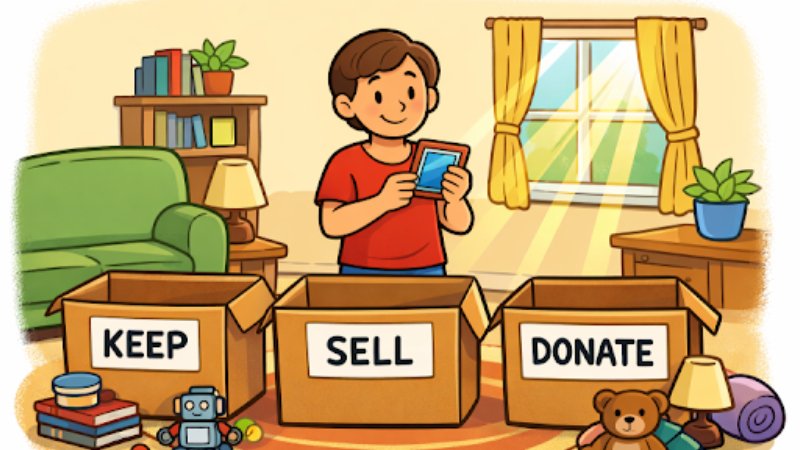
With your full inventory in hand, begin to organize each item into one of four categories:
- Keep: Items you use regularly or hold deep sentimental value.
- Sell: Quality belongings you no longer need, but that have discernible market value.
- Donate: Gently used items in good shape that may benefit someone else, even if not worth selling.
- Discard: Anything broken, worn out, or beyond repair.
This process efficiently narrows your focus, allowing you to make decisions with clarity and purpose. Remember that every item you let go of is creating new space for experiences, not just for other possessions.
Deciding What to Keep
Sorting through years of possessions can bring up difficult choices. Experts recommend you base your decisions on three primary factors:
- Functionality: Only keep items that genuinely serve your current lifestyle and needs.
- Sentimental Value: Hold onto treasures that spark joy or preserve family memories, but be selective.
- Space Constraints: If a piece will overcrowd your new home, consider letting it go, even if it is a favorite.
This reflective approach ensures your new home remains comfortable, organized, and free of unnecessary clutter.
Selling Unwanted Items
Rather than discarding items that still have value, selling gives you the chance to recoup some of the costs associated with your move. There are numerous selling avenues available:
- Online Marketplaces: Websites such as eBay, Craigslist, or Facebook Marketplace are effective for reaching a broad local or national audience.
- Consignment Shops: Let local secondhand stores sell on your behalf, saving you time and effort.
- Garage Sales: Organize an event to sell multiple items in one day, targeting your local, in-person community.
Bear in mind that selling requires some time investment. Set realistic expectations and weigh whether the potential profit justifies the effort required for each item.
Donating to Charity
If selling is not practical or if you want to support your community, a donation is a generous option. Many charities, such as Goodwill and Habitat for Humanity, accept gently used furniture, clothing, and household items. Ensure your donations are clean, complete, and usable. Some organizations even offer pick-up services to simplify the process and help those in need move forward.
Handling Sentimental Items
Letting go of sentimental possessions can be the hardest step of all. There are creative solutions that can help you honor your memories:
- Digitize Memories: Scan photographs and important documents to save space while preserving history.
- Limit Keepsakes: Select a few highly meaningful mementos and display them with pride in your new home.
- Share with Family: Offer cherished items to relatives who may value them, sharing memories among generations.
These approaches make it possible to keep the most cherished parts of your past while moving forward with clarity and intention.
Finalizing Your Decisions
Once everything has been sorted, it is time to act. Arrange donation pick-ups, list sale items online with clear descriptions and good photos, and dispose of the remainder responsibly. Many communities offer recycling programs for electronics and hazardous materials, as well as bulk disposal services, to ensure items are handled in an environmentally friendly way. You will feel accomplished as you watch both clutter and stress decrease in preparation for your move. By thoughtfully deciding what to keep, sell, or donate, you ensure your new home is a peaceful and organized retreat. With every step, you are making room for new opportunities and a lifestyle that suits this fresh chapter in your life.
Conclusion
Downsizing is both a practical and emotional journey, but a structured approach makes it manageable and rewarding. By assessing your new space, taking inventory, categorizing belongings, and thoughtfully deciding what to keep, sell, donate, or discard, you create a home that aligns with your current lifestyle. Handling sentimental items with care, through digitization, limited keepsakes, or sharing with family, helps preserve meaningful memories while freeing physical space. Finalizing your decisions responsibly ensures a smooth transition and a clutter-free environment. Embracing this process allows you to enter your new home with clarity, peace of mind, and room for the experiences that truly matter.