Key Takeaways
- Active patient involvement enhances the relevance and success of clinical trials.
- Decentralized trials and digital health technologies improve accessibility and data quality.
- Integrating patient-reported outcomes (PROs) provides valuable insights into treatment effects.
- Addressing global inequalities in trial participation is crucial for equitable medical advancements.
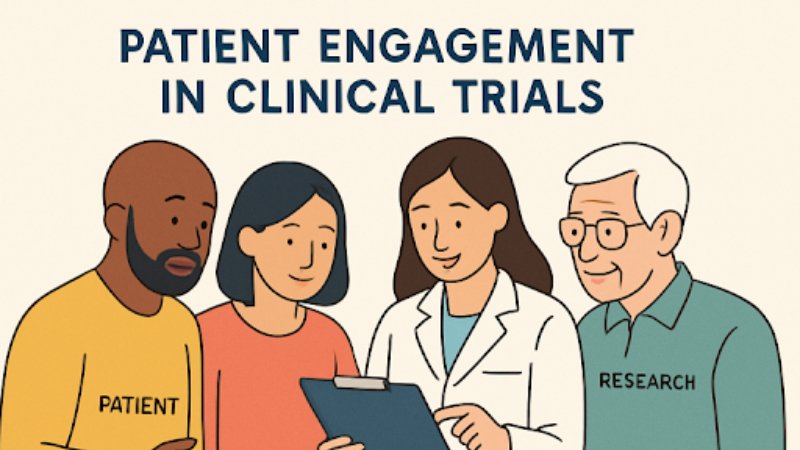
The landscape of medical research is changing rapidly, driven by the pivotal role of clinical trials in developing new treatments and improving standards of care. While these studies have long been instrumental in advancing healthcare, traditional clinical trial models have had significant limitations in participant recruitment and retention, as well as in ensuring that trials remain relevant to diverse patient populations. Overcoming these hurdles now depends heavily on greater patient engagement throughout the clinical research process, making medical studies more inclusive, efficient, and truly reflective of patients’ real-world needs. For those interested in learning more about ongoing work in this area, Chiesi Clinical Research and Trials provides information on active studies and opportunities to participate.
Increasingly, clinical researchers and sponsors are recognizing that collaborative trial design and patient-centric practices not only facilitate participation but also generate data with profound practical benefits. Digital health platforms and patient-reported outcomes offer new pathways to meaningful engagement, enriching the experience for both researchers and patients alike.
The move toward patient-centricity and transparency aims to ensure that the benefits of research extend to every participant and community. Forward-thinking approaches acknowledge the unique needs and voices of patients, prioritizing equity, convenience, and communication. With these goals at the forefront, the future of clinical research promises faster innovation and improved therapies for a wider range of people.
According to research from Nature, involving patients from the earliest stages of trial design not only improves study outcomes but also fosters greater trust, diversity, and transparency throughout the research process.
The Shift Towards Patient-Centric Clinical Trials
Historically, clinical trials were designed primarily by clinicians and regulatory bodies, often with little consideration for the patient perspective. This top-down approach often led to protocols that failed to fully acknowledge participants’ challenges, such as travel demands, inflexible procedures, or limited access to relevant information. Changing this paradigm involves inviting patients into the development process and allowing their experiences to shape study objectives, ensuring that research addresses questions that matter most to those it is meant to serve.
Patient-centricity in clinical trials involves actively consulting patients on study design, communicating transparently about risks and expectations, and streamlining processes to improve participant engagement. By including patient voices, recruitment and retention improve, and outcomes are more likely to translate into meaningful improvements in healthcare delivery.
Decentralized Trials: Bringing Research to Patients
Decentralized clinical trials (DCTs) offer a flexible, patient-friendly alternative to traditional research by utilizing digital technologies to minimize travel and site visits. Leveraging telemedicine, smartphone applications, and wearable devices, DCTs enable patients to participate from their own homes or local clinics. This approach not only reduces logistical hurdles but also broadens access for individuals in remote or underserved areas, as highlighted during the COVID-19 pandemic, when minimizing in-person contact became both crucial and practical.
The benefits extend beyond convenience. By gathering real-time data and allowing greater demographic diversity, decentralized trials generate results that are more representative of the general population. As adoption increases, the medical research community is seeing improved data quality, increased patient satisfaction, and a higher likelihood of successful study completion.
Integrating Patient-Reported Outcomes
A robust approach to measuring clinical trial success increasingly relies on integrating patient-reported outcomes. These data, provided directly by trial participants, capture insights about symptoms, treatment tolerability, side effects, and general well-being. Unlike traditional clinical endpoints based solely on biomarkers or imaging, patient-reported outcomes reflect the lived experiences of those receiving care.
Including these metrics leads to research that matters to both clinicians and patients. It also enables real-time adjustments to care during trials and offers a path toward more person-centered therapeutic development. Trials that openly incorporate patient feedback demonstrate an evolution toward genuine partnership in research.
Addressing Global Inequalities in Trial Participation
Global inequities in clinical trial participation continue to hinder equitable healthcare advancement. According to a JAMA Network study analyzing over 62,000 randomized controlled trials conducted from 2000 to 2024, the majority of participants come from a small number of countries, leaving large populations underrepresented. This imbalance both slows medical advances for underserved communities and compromises the applicability of research findings for the broader global population.
Bridging these gaps requires sustained investment in research infrastructure, training, and local capacity. Effective partnerships and thoughtful governance can create opportunities for all patients, regardless of geography, to participate in and benefit from clinical innovation.
Leveraging Artificial Intelligence in Clinical Trials
Artificial intelligence (AI) is optimizing key stages of the clinical trial process. From identifying optimal trial sites and eligible participants to real-time safety monitoring, AI-driven tools facilitate effective recruitment and retention, reducing dropout rates and overall costs. Predictive modeling helps stratify patient populations and forecast potential risks, enabling more adaptive and personalized study designs.
As AI continues to evolve, researchers are discovering new ways to analyze complex datasets and extract deeper insights from patient responses. This technological advancement is paving the way for more efficient trials with greater potential to deliver impactful therapies to market sooner.
Enhancing Transparency and Communication
Open communication is essential in building mutual trust between researchers and participants. Transparency regarding study goals, risks, results, and protocols fosters an atmosphere of collaboration, empowering patients to make informed decisions and increasing engagement. Initiatives such as the AllTrials campaign reinforce the importance of registering and reporting all clinical trials, promoting open science and broader societal trust in medical advances.
By making data easily accessible and encouraging regular feedback, researchers demonstrate respect for participants’ contributions, fostering long-lasting partnerships in the pursuit of better health outcomes.
Conclusion
The future of clinical research hinges on meaningful patient engagement, technological innovation, and global inclusivity. Patient-centric models, digital health solutions, and transparent practices are key to making clinical trials more relevant, efficient, and accessible. By investing in equitable and robust research infrastructure, the medical community can accelerate innovation and deliver improved treatments to a wider, more diverse population.