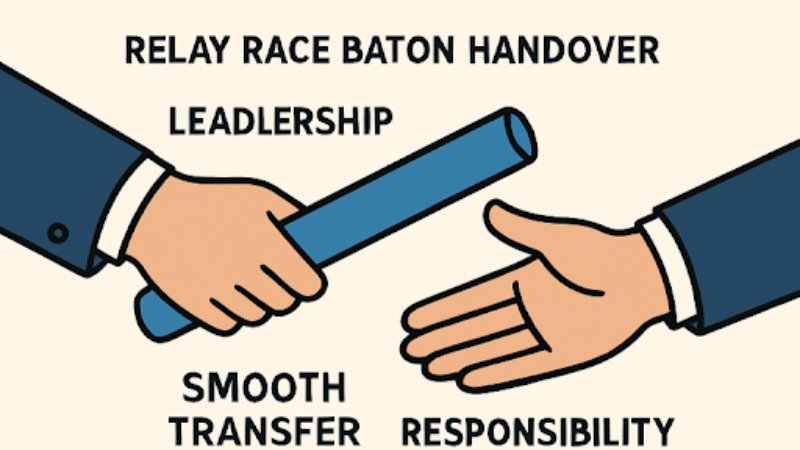
Key Takeaways:
- Effective succession planning ensures leadership continuity and organizational stability.
- Identifying and developing internal talent is crucial for seamless transitions.
- Regular evaluation and adaptation of succession plans align with evolving business needs.
Introduction
Adapting to uncertainty has become essential for organizations seeking resilience and ongoing success. Leadership transitions are inevitable, whether due to retirements, promotions, or unexpected departures. Thoughtful succession planning is the backbone of organizational steadiness. This strategy not only maintains business operations but also powers future growth and innovation. In many companies, the succession management process guides the identification, mentoring, and elevation of potential leaders to key roles.
Robust succession planning initiatives promote confidence among employees and stakeholders by demonstrating that continuity is a clear priority. Organizations that prioritize internal talent mobility can navigate times of change without disrupting productivity or customer trust. Saving time and resources often starts with building a solid pipeline of future leaders, crafted from within.
As organizations strive for future-readiness, succession planning has moved into the strategic spotlight. By embedding leadership development into the company culture, organizations can future-proof themselves against unplanned vacancies and maintain momentum toward their business objectives.
Additionally, prioritizing succession identifies high-potential talent and nurtures them for more influential roles. This proactive approach connects employee aspirations to organizational needs, generating mutual loyalty and optimal performance.
Understanding Succession Planning
Succession planning is not merely a checklist or emergency tool. It is a continuous organizational process that both identifies and prepares future leaders. At its core, succession planning involves anticipating leadership needs before vacancies occur and providing development paths for those best suited to step into leadership roles. Human resource leaders recognize that a well-executed succession approach enhances engagement, as high performers see tangible paths to advancement.
Strategic succession planning helps ensure that business-critical positions such as executive, department head, and technical expert roles are staffed with individuals who understand the company’s mission, values, and strategy. Clear visibility around advancement opportunities also strengthens retention and morale.
Organizations risk stagnation and disruption when they overlook the importance of leadership pipelines. High-potential employees may leave if they believe their ambitions cannot be realized within the organization. According to Harvard Business Review, organizations with a succession mindset outperform those without, especially during unexpected changes or crises.
Benefits of Succession Planning
- Leadership Continuity: When transitions are managed smoothly, operations perform without interruption. Decision-making remains sharp, and company culture endures, as promoted leaders are familiar with the organization’s unique needs and values.
- Talent Development: Comprehensive succession programs are powerful vehicles for employee development. Training, mentorship, and cross-functional assignments motivate employees to develop their skills and envision long-term careers with the company, reducing reliance on costly external recruitment.
- Risk Mitigation: Proactive planning prepares organizations for leadership gaps resulting from retirements, resignations, or unforeseen events. It ensures that there are ready-now successors who can step in at a moment’s notice, minimizing costly disruptions or slowdowns.
Key Components of an Effective Succession Plan
- Talent Assessment: Systematic evaluation of current employees is the starting point. Performance reviews, skills assessments, and leadership potential indicators help organizations pinpoint who might excel at higher levels. This awareness enables tailored development for future challenges.
- Development Programs: These include mentoring, coaching, leadership training, and stretch assignments. By providing practical growth opportunities, organizations bridge the gap between current capabilities and future role requirements.
- Continuous Evaluation: Succession plans should evolve alongside market trends, business strategy adjustments, and workforce dynamics. Regular reviews ensure the succession pipeline stays current, and rising stars are not left undiscovered or unsupported.
Continuous dialogue among HR, management, and employees ensures that succession strategies stay aligned with organizational priorities and are embraced by the broader workforce. For deeper insights, the Society for Human Resource Management recommends frequent communication, transparency, and feedback as essential parts of effective talent pipelines.
Challenges in Succession Planning
Despite its importance, succession planning frequently falls short of expectations. Studies indicate that as many as 90% of organizations acknowledge its strategic value, yet only 37% make significant investments in it. Some companies avoid the effort due to perceived time commitments, discomfort discussing leadership succession, or inadequate processes for identifying and nurturing rising talent. Others grapple with resistance to change or competing short-term business demands.
Without a strategic approach, succession efforts can become inconsistent, politicized, or disconnected from long-term organizational goals. This leaves companies vulnerable to leadership vacuums and cultivates employee uncertainty, undermining trust and retention.
Best Practices for Successful Succession Planning
- Align with Business Strategy: Succession plans should be tightly woven into business plans, supporting the evolution of products, markets, and organizational goals. HR and leadership teams should collaborate to anticipate future skills and experience requirements.
- Foster a Culture of Development: Organizations that encourage ongoing learning, feedback, and cross-functional mobility help employees build competencies needed for future roles. A strong learning culture ensures that emerging leaders are both skilled and adaptable.
- Engage Leadership: Senior leaders play a vital role in mentoring potential successors, sharing knowledge, and modeling the behaviors needed at higher levels. Their support signals commitment and seriousness, making succession a shared responsibility rather than an HR silo.
Succession planning can also benefit from benchmarking practices used by world-class organizations and industry peers. These external perspectives offer inspiration and validation for a company’s internal efforts to develop future leaders.
Final Thoughts
Effective succession planning is crucial for sustainable growth and business continuity in a rapidly evolving landscape. By systematically identifying, developing, and supporting future leaders, organizations build a stable foundation for progress. When succession planning becomes a priority, both current and aspiring leaders know the company values their development, resulting in stronger engagement and retention. Investing in succession today protects the organization against tomorrow’s uncertainties, enabling the business to thrive well into the future.