These days, it’s overwhelming to keep up with the technological advances powered by AI, especially when you’re not sure they’ll stick around. Virtual influencers came to life around 2016, and they have attracted many marketers ever since. Thanks to the speed and efficiency they bring to the table, AI influencers attracted a new wave of attention in 2025. But, just like everything else, they’ll become “normal.”
Does this mean they’ll go extinct as well? No, but turning normal is an inevitable stage in the “boom and bust cycle” in the vast field of technology. Remember when generative AI, particularly ChatGPT, shook the world? We don’t talk about it as much, but it’s there; it’s been integrated into our lives.
How Are Virtual Influencers Doing in 2026?
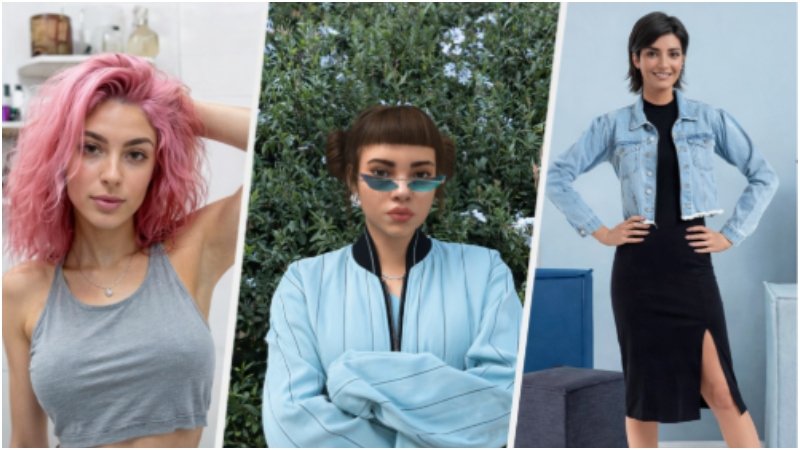
Virtual influencers have found their way amongst the living. Right now, Lil Miquela has 2.3M followers on Instagram. So, we could say that top virtual influencers are definitely still thriving in 2026, but they’re no longer revolutionary.
Brands, especially in fashion and beauty, continue investing in the development of these AI and 3D figures. Why? Because they cut costs by 50% compared to human campaigns. Additionally, AI influencers are very flexible, and marketers can customize them at will.
What Happens When Virtual Influencers Become Normal?
The first thing is that they’ll transform from news headlines to marketing infrastructure. Marketing agencies will use them as reliable tools to manage their brands consistently.
At the beginning, viewers are just curious about this new invention, but they can’t trust it yet. When it’s no longer new for the viewers, marketers should step in again to build trust and show what’s behind the pixels.
At this stage, when AI influencers have become a widely accessible tool, a byproduct of AI and human effort emerges that, ultimately, makes marketing more cost-effective and time-saving.
Real Example of When “New” Turned into “Normal”
Lil Miquela (@lilmiquela on Instagram) is a pioneer virtual influencer created by Los Angeles-based studio Brud. It was debuted in 2016 and enjoyed temporary fame between 2018 and 2020. It even made its way to TIME Magazine’s list of “25 Most Influential People on the Internet” in 2018.
But from 2021, marketers began to assess this character in terms of ROI. Obviously, it didn’t age, so it was perfect for beauty brands. Now, it’s a piece of profitable infrastructure. She delivers fully customizable campaigns and has earned millions.
Naturally, engagement isn’t as strong as when it was “new,” but it’s still significant despite being “normal.”
Cracks in the Facade of AI Influencers
Here’s where it gets interesting for marketers. Despite growth, 2026 brings subtle shifts. High initial follows give way to lower long-term engagement as audiences detect the artificial vibe. After all, they’re just artificial figures, no matter how real they look.
Of course, we can attribute this to the overall AI fatigue and saturation. Some of us are really missing the good old human connections in the business world.
Additionally, statistics paint a mixed picture. While some campaigns boast superior short-term metrics, others show drop-offs.
One 2025 analysis noted that brands’ interest in virtual influencers declined nearly 30% year-over-year, with top profiles sometimes garnering surprisingly low interaction. This shows the rising skepticism around authenticity. It’s only logical to worry about the extent to which people are willing to trust a virtual character.
Will AI Influencers Replace Human Influencers?
Experts in the field view virtual influencers as valuable marketing tools, but they don’t believe that they can replace the real thing, i.e., human influencers.
Predictions for 2026 emphasize coexistence. 63% of marketers plan AI integration, but authenticity drives decisions.
The viable solution here is a hybrid approach where AI handles scale, and humans deliver depth. That is, marketers use virtual influencers for experimental campaigns and humans for trust-building.
Therefore, when the novelty turns into normal, virtual influencers don’t die; they just don’t sparkle anymore.
Hits and Misses in Virtual Influencer Development
The divide between enduring successes and faded experiments reveals clear patterns. Longevity hinges on sustained storytelling, cultural relevance, scandal avoidance, and tangible commercial value.
On the contrary, reliance on shock, poor management, or failing to evolve beyond initial hype kills the virtual character.
We hear both success stories and failures regarding these digital influencers. Let’s take a look at three digital stars that have so far survived and three others that are no longer in the picture.
Enduring Successes, What They Got Right
- Lil Miquela – Longevity through careful growth
She moved beyond her early mystery and CGI novelty into deeper areas, such as music releases, social activism, vulnerability, and thoughtful partnerships with brands like Prada and healthcare organizations. Professional teams ensure consistent, relatable storytelling without major scandals. This approach creates a sense of emotional connection that keeps audience loyalty even as the technology becomes familiar.
- Lu do Magalu – Purpose-driven integration
As a brand mascot linked directly to Magazine Luiza’s retail ecosystem, she provides clear benefits, such as relatable product recommendations, strong cultural ties, and measurable sales impact. She outperforms many human influencers in revenue. This blend of commerce and entertainment gives her relevance and trust that doesn’t rely solely on novelty.
- Aitana López – Efficiency and smart adaptation
She was created specifically to avoid real-influencer drama. She uses AI for hyper-targeted, consistent content in areas like fitness and fashion, along with smooth monetization, earning between €3,000 and €10,000 monthly. Her agency’s focused positioning, which is both aspirational and accessible, keeps engagement high and allows for quick changes in trends. This shows that newer AI tools can create scalable, profitable personas.
Cautionary Tales, Where They Went Wrong
- FN Meka – Catastrophic ethical failure
Aggressive cultural appropriation, including racial stereotypes, slurs, and accusations of “digital blackface,” led to significant backlash. This prompted Capitol Records to drop the project just days after signing. A lack of authenticity, accountability, or sensitivity alienated both audiences and the industry, demonstrating how ignoring cultural responsibility can quickly end a virtual influencer.
- Bermuda – Over-reliance on manufactured shock
Early attention came from scripted drama, including feuds and political stunts that related to Lil Miquela’s universe, but this approach proved unsustainable. Once audiences grew tired of the obvious inauthenticity, interest faded with no shift toward meaningful content or partnerships.
- Ayayi – Failure to grow
Despite a strong launch in 2021 and luxury campaigns with brands like Louis Vuitton and Prada, momentum slowed in China’s crowded virtual idol market. Limited narrative depth, weak emotional ties, and a lack of meaningful global adaptation left her unable to compete as trends changed.
Lessons Learnt…
So, how can we keep virtual influencers still relevant when they no longer inspire any awe? By reviewing past experiences, we came to 10 points that help marketers hang on to their tireless and smart digital assistants.
- Build a persona with a believable backstory and emotions.
- Define brand goals and develop the character accordingly.
- Rely on AI for efficiency and precision. It helps you produce consistent content.
- The AI influencer should narrate a story that feels human.
- Continuously evolve the character’s aesthetic and narrative to stay current with digital trends and audience feedback.
- Think of ways to measure your artificial influencer’s engagement rates.
- AI influencers should have ethics and respect cultural values.
- Be transparent about the development and use of your IP characters.
- Focus on creating universal characters that resonate across diverse markets and have a chance on the global stage.
- Keep your character out of controversial subjects.
Broader Implications for Marketers
As virtual influencers transition from novelty to a mature marketing tool in 2026, the strategic implications extend far beyond campaign tactics. Marketers should consider the integration of Character IPs in their brands in terms of budgeting, ethics, and cultural alignments.
Additionally, they should consider the risks of over-reliance on virtual marketing as the audience will eventually push back against the overly polished AI that lacks lived experiences and authentic storytelling.
They can mitigate these risks by, for example, creating virtual personas “piloted” by real creators for added authenticity, or co-created content where humans provide the emotional depth.
Final Remarks: Evolution, Not Extinction
When virtual influencers lose their momentum, they won’t be put aside. Marketers don’t give up their Character IPs like that. Instead, they’ll merge with the conventional marketing methods in various possible scenarios, like being used as sophisticated hybrids with interactive AI. Click here for more information.
Most likely, they become like CGI (Computer Generated Imagery) in movies. The winners will be brands that use them strategically, not as gimmicks. In 2026, the question isn’t if virtual influencers survive the novelty phase. It’s how smartly you integrate them into a human-first world.