Table of Contents
- Introduction Science-Based Guide to Understanding
- The Hair Growth Cycle
- Common Causes of Hair Loss in Women
- Nutritional Influences on Hair Health
- Effective Scalp Care Practices
- Lifestyle Factors Affecting Hair Wellness
- Treatment Options for Hair Thinning
- Preventive Strategies for Maintaining Hair Health
Achieving healthy, vibrant hair is a goal for many women, but understanding the science behind hair wellness is essential for making informed choices. From the basics of the hair growth cycle to the importance of nutrition, every element plays a role in maintaining strong and resilient hair. This guide explores proven strategies and uncovers the underlying factors that influence hair health, including the potential benefits of advancements such as Nutrafol supplements for women, and how these approaches can fit into your daily routine for optimal results.
Recognizing the complexities of hair health empowers women to take proactive steps in their self-care journeys. Scientific understanding bridges the gap between marketing claims and real-life results, transforming routine hair care into a holistic practice. Whether you are experiencing temporary shedding or searching for ways to maintain lush hair as you age, grounding your routine in science-backed information makes lasting improvement possible.
This guide also explores how everyday choices, like diet and stress management, contribute to overall hair wellness. By understanding how these factors interact, you can create a routine that addresses surface concerns and nurtures your hair from the inside out.
With the right knowledge, it is possible not only to address hair thinning but also to build resilience in the face of hormonal shifts, environmental stress, and other triggers. Hair wellness is an ongoing journey that evolves with your body and your needs over time.
The Hair Growth Cycle Science-Based Guide to Understanding
Hair wellness begins at the follicular level, with the hair growth cycle consisting of three distinct phases. The anagen, or growth, phase can last from 2 to 6 years and is when hair actively grows. The catagen phase, lasting two to three weeks, marks a transitional stage where growth slows, and the follicle renews itself. Following this, hair enters the telogen, or resting, phase, which lasts about 3 months; hair often sheds at the end of this period before the cycle restarts. Any disruption to this cycle, such as hormonal changes, nutritional deficiencies, or acute stress, can compromise the hair’s density and overall appearance.
Common Causes of Hair Loss in Women Science-Based Guide to Understanding
Women can experience hair loss for various reasons. Hormonal fluctuations, especially those associated with menopause or postpartum changes, can sharply impact the growth cycle. Genetic predispositions such as androgenetic alopecia are also significant contributors to female hair thinning. Temporary hair loss conditions, such as telogen effluvium, can occur following severe stress or physical illness, leading to noticeable shedding. Medical conditions such as thyroid disorders or iron-deficiency anemia are other top causes and should be evaluated by a doctor. Harvard Health Publishing offers additional resources on the clinical aspects of hair loss in women.
Nutritional Influences on Hair Health Science-Based Guide to Understanding
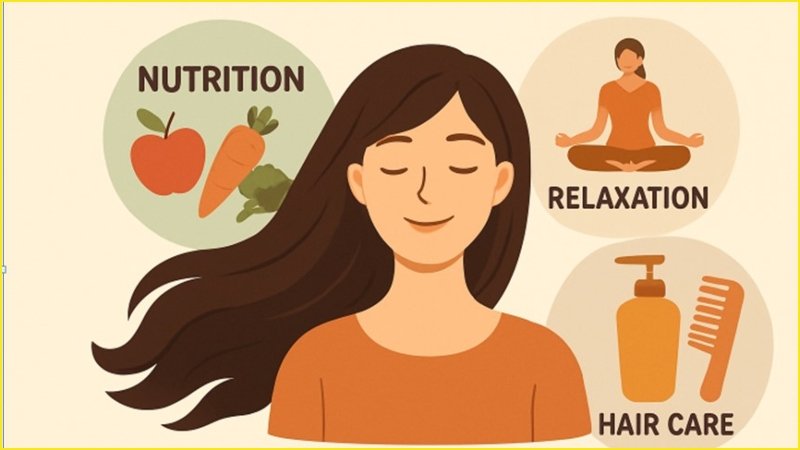
Dietary choices impact hair at a cellular level. Protein is fundamental since hair is made largely of keratin, a protein that supports each strand’s structural integrity. Iron is also crucial as it enables oxygen delivery to hair follicles; deficiencies can trigger or worsen hair loss. Biotin, vitamin D, and zinc help maintain optimal follicle health and function. Consuming foods such as eggs, leafy greens, lentils, salmon, and nuts regularly can nourish hair from within. According to the Cleveland Clinic, these nutrients are essential for preventing excessive hair shedding and breakage, especially during times of stress or hormonal changes.
Effective Scalp Care Practices Science-Based Guide to Understanding
Healthy hair starts with a well-cared-for scalp. Using gentle, sulfate-free shampoos prevents the depletion of natural oils, while regular scalp massages improve blood circulation, delivering more nutrients to the follicles. Overwashing hair can dry out both the scalp and strands, leading to irritation or dandruff. Establishing a scalp care routine that balances cleanliness with hydration can serve as a foundation for long-term hair wellness.
Lifestyle Factors Affecting Hair Wellness
Lifestyle choices dramatically influence hair health outcomes. Chronic stress, not just isolated stressful events, has been linked to several types of hair loss, including telogen effluvium. Embracing relaxation techniques such as deep breathing, yoga, or mindfulness meditation may mitigate this risk. Consistent, high-quality sleep (seven to nine hours nightly) is crucial for cellular repair and growth. Additionally, regular physical activity not only improves overall health but also facilitates increased circulation to the scalp, ensuring hair follicles receive adequate nutrition.
Treatment Options for Hair Thinning
If shedding persists or becomes pronounced, effective treatment options are available for many women. FDA-approved topical minoxidil can stimulate hair regrowth and is widely used for female pattern hair loss. Oral medications like spironolactone help manage hormonal causes of hair thinning, especially for women with underlying conditions like polycystic ovary syndrome (PCOS). Non-pharmaceutical procedures such as low-level laser therapy and platelet-rich plasma (PRP) injections may be offered by dermatologists or trichologists. Consulting with a healthcare provider ensures you receive a personalized treatment plan tailored to your needs and medical history.
Preventive Strategies for Maintaining Hair Health
For women seeking to protect their hair’s integrity, prevention is key. Limit the use of extreme-heat styling tools and minimize harsh chemical treatments, such as bleaching or perming, both of which can weaken strands. Shield your hair from damaging UV rays by wearing hats or using UV-protective products, and consider environmental factors like pollution, which can accelerate wear and tear. Regular trims every few months can help prevent split ends and overall breakage, maintaining a healthier appearance over time.
Scientific insights are transforming the way women care for their hair, replacing myths with evidence-based steps. By understanding the nuances of hair biology, integrating nutritional support, and practicing mindful self-care, women can build a regimen that addresses current concerns and supports long-term wellness and resilience.